Product Overview
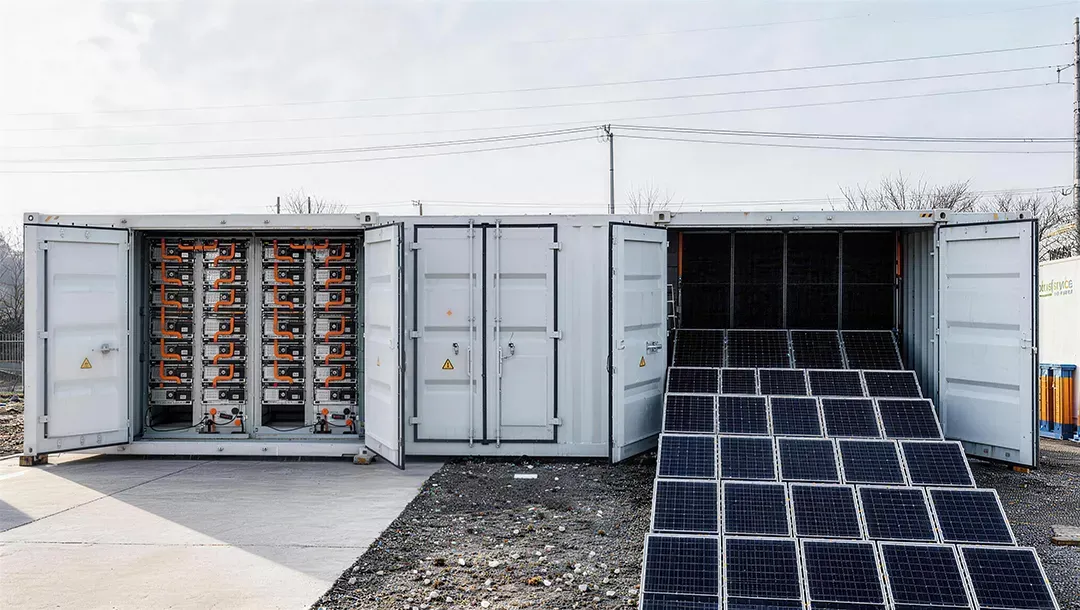
The 40ft BESS container enclosure from Leading Top Union is engineered as a turnkey structural shell for utility-scale battery energy storage systems, designed to house 3 to 5 MWh of lithium-ion battery racks within a standard 40ft high-cube ISO shipping container footprint. External dimensions measure 12192 mm × 2438 mm × 2896 mm, complying with ISO 668 and ISO 1496-1 for intermodal transport, allowing seamless integration into global logistics chains. The enclosure is fabricated from Corten steel (ASTM A588) or structural carbon steel (EN 10025 S355J2+N), with a minimum yield strength of 355 MPa, ensuring structural integrity under dynamic loads during crane lifting, stacking, and road or sea freight. All weldments are executed per AWS D1.1 structural welding code, with full penetration butt welds on corner posts and partial penetration fillet welds on side panels, verified through ultrasonic testing (UT) per ASTM E164 for critical load-bearing joints.
Thermal Management Architecture
Thermal management is a core design parameter, with the enclosure supporting redundant cooling systems rated for up to 150 kW of heat rejection capacity. The cooling architecture integrates dual-circuit direct expansion (DX) air conditioning units or liquid-to-air heat exchangers, depending on client specifications, maintaining an internal ambient temperature range of 15°C to 35°C for optimal battery cell performance and cycle life. The cooling system is designed for 99.9% availability, with N+1 redundancy on compressors and fans, and automatic failover logic controlled via a programmable logic controller (PLC) that communicates over Modbus TCP. Evaporator coils are coated with a hydrophilic layer to prevent condensate corrosion, and all refrigerant lines are insulated with closed-cell elastomeric foam per ASTM C534, minimizing thermal loss in ambient conditions from -30°C to +55°C.
Multi-Zone Fire Safety Systems
Fire safety is addressed through a multi-zone detection and suppression system, dividing the interior into 2 to 4 independent zones, each monitored by aspirating smoke detectors (ASD) with sensitivity down to 0.001% obscuration per meter, compliant with EN 54-20. The suppression agent is typically NOVEC 1230 or FM-200, discharged via a pre-engineered piping network with nozzles positioned at 2.5-meter intervals along the ceiling, achieving a design concentration of 5.5% by volume within 10 seconds per NFPA 2001. Each zone is isolated by fire-rated partitions constructed from 50 mm thick calcium silicate board with a 120-minute fire resistance rating per ASTM E119. The enclosure also includes a pressure relief vent sized at 0.5 m² per zone, calibrated to open at 10 Pa differential pressure, preventing structural overpressure during agent discharge while maintaining containment integrity.
Seismic and Structural Reinforcement
Structural reinforcement extends to seismic-rated design options, with the enclosure certified for Seismic Zone 4 per ASCE 7-16, accommodating peak ground acceleration (PGA) of up to 0.5g. This is achieved through base isolation mounts using elastomeric bearings with a shear modulus of 0.8 MPa, and additional bracing on interior racking systems to limit lateral displacement to less than 25 mm under design basis earthquake (DBE) events. The enclosure floor is rated for a distributed load of 10 kN/m², with a point load capacity of 5 kN at any location, supporting heavy battery racks weighing up to 2,500 kg each. All access doors are equipped with three-point locking mechanisms and EPDM gaskets, maintaining an IP55 ingress protection rating as standard, with IP65 available for coastal or high-humidity installations, verified through independent testing per IEC 60529.
Applications & Industries
In the oil and gas sector, the 40ft BESS container enclosure is deployed for peak shaving and black-start capability at remote wellhead facilities and pipeline pumping stations, where grid connectivity is intermittent or unreliable. For example, a typical installation in the Permian Basin integrates a 4 MWh system to support variable frequency drives (VFDs) on electric submersible pumps, reducing diesel generator runtime by 60% and lowering operational fuel costs by $120,000 annually per site. The enclosure’s IP65 rating and Corten steel construction resist corrosion from hydrogen sulfide (H2S) exposure, while the redundant cooling system maintains battery temperature within 2°C of setpoint despite ambient desert temperatures exceeding 50°C. Communication via DNP3 protocol enables seamless integration with existing SCADA systems, providing real-time state-of-charge (SOC) data and alarm management per API RP 554.
Offshore Wind Farm Integration
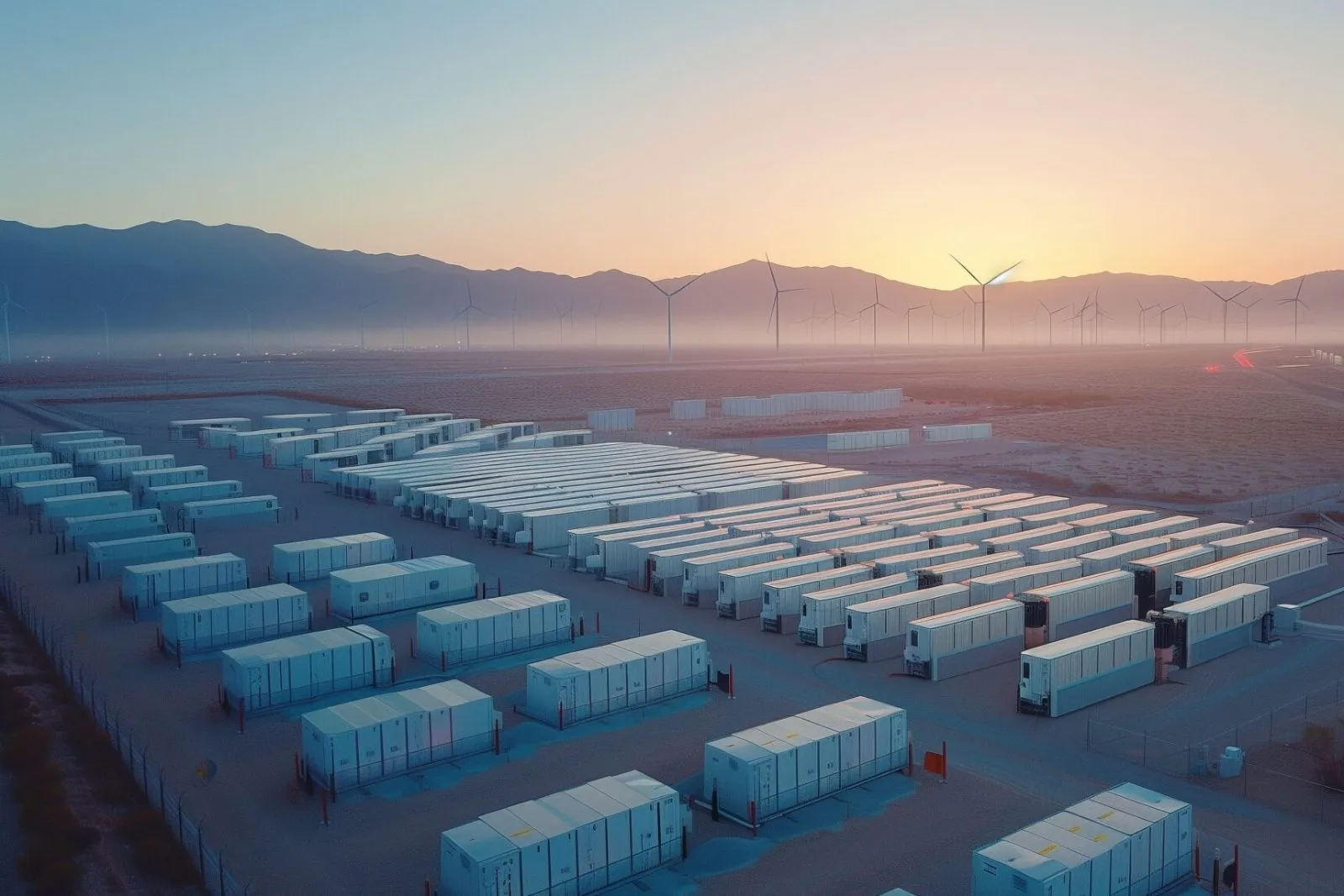
Offshore wind farm applications utilize the 40ft BESS enclosure for energy time-shifting and grid stabilization at onshore substations, with systems rated up to 5 MWh to smooth the 15-minute power output variability from a 50 MW turbine array. The enclosure is designed to withstand salt spray exposure per ISO 9227 (neutral salt spray test for 720 hours), with all external fasteners manufactured from A4-80 stainless steel (EN 10088-1) and painted with a three-coat marine-grade system (zinc-rich epoxy primer, micaceous iron oxide intermediate, polyurethane topcoat) achieving a dry film thickness of 320 microns. Internal busbars are rated for 1500 VDC and 2000 A continuous current, fabricated from C11000 copper with silver-plated contact surfaces per ASTM B152, ensuring minimal resistive losses of less than 0.5% at full load. The enclosure also includes a dehumidification system maintaining relative humidity below 40% RH, preventing condensation on high-voltage components in coastal environments.
Remote Mining Microgrids
Mining operations in remote regions such as the Pilbara in Australia deploy the 40ft BESS enclosure for microgrid integration, replacing diesel generators for haul truck charging stations and conveyor belt drives. A 3 MWh system paired with a 1 MW solar PV array reduces diesel consumption by 800,000 liters per year, corresponding to a CO2 emission reduction of 2,100 metric tons annually. The enclosure is equipped with vibration-dampening mounts rated for 0.5g continuous vibration per IEC 60068-2-6, and all interior components are sealed against dust ingress per IP6X, tested with talcum powder for 8 hours at a vacuum of 2 kPa. The cooling system uses a closed-loop glycol circuit with a brazed plate heat exchanger, capable of rejecting 120 kW of heat at an ambient temperature of 45°C, with a glycol-to-water ratio of 40:60 for freeze protection down to -25°C. The SCADA interface supports IEC 61850 for substation automation, enabling remote dispatch and SOC balancing across multiple containers in a 20 MW array.
Power Generation Frequency Regulation
Power generation facilities, including combined-cycle gas turbine plants and solar farms, use the 40ft BESS enclosure for frequency regulation and ramp-rate control. A typical installation at a 200 MW solar farm in California integrates a 4 MWh system to limit ramp rates to 10% per minute per CAISO requirements, reducing curtailment losses by 15% and increasing annual revenue by $450,000. The enclosure’s seismic-rated design (Zone 4) is critical for installations in seismically active regions like California and Japan, with base isolation mounts tested to 0.5g PGA per ASCE 7-16. The fire suppression system is configured with two independent zones, each with a dedicated NOVEC 1230 tank holding 150 kg of agent, providing a 10-second discharge time and a 10-minute holding period per NFPA 2001. All electrical penetrations through the enclosure walls are sealed with firestop putty rated for 2 hours per ASTM E814, maintaining zone integrity and preventing fire propagation between adjacent containers in a multi-unit array.
Why Choose Leading Top Union for 40ft BESS Container Enclosure
Leading Top Union holds ISO 3834-2 certification for full quality management in welding, ensuring that all structural welds on the 40ft BESS enclosure meet the stringent requirements of EN 1090-2 EXC3 for execution class 3. This certification mandates documented weld procedures (WPS) qualified per ISO 15614-1, welder certification per ISO 9606-1, and 100% visual inspection per ISO 5817 with acceptance level B for critical joints. For projects requiring additional assurance, third-party verification by DNV-GL or Lloyd’s Register is offered, with ultrasonic testing (UT) per ISO 17640 on all full-penetration welds and magnetic particle testing (MT) per ISO 17638 on fillet welds. This level of traceability and quality control is essential for EPC firms bidding on utility-scale projects where weld failure could result in costly downtime or safety incidents.
Manufacturing Capacity and Quality Inspection
The manufacturing facility in Suzhou operates a dedicated 8,000 m² production line for BESS enclosures, with a capacity of 120 units per month and a lead time of 6 to 8 weeks from order confirmation to FOB Shanghai. Each enclosure undergoes a 24-point quality inspection checklist before shipment, including dimensional verification per ISO 2768-m (medium tolerance class), ingress protection testing per IEC 60529 using a calibrated water spray nozzle at 12.5 L/min for 3 minutes, and structural load testing on corner castings per ISO 1161. A full functional test of the fire suppression system is also performed, including agent discharge simulation at 80% of design pressure, and a cooling system performance test at 40°C ambient to verify heat rejection capacity within 5% of the 150 kW specification. All test results are documented in a certified inspection report (CIR) provided with each shipment.
Customization and Compliance Services
Customization services for the 40ft BESS enclosure are available to meet specific project requirements, including modifications to internal racking layouts for different battery module sizes (e.g., 19-inch or 23-inch racks), integration of customer-supplied HVAC units, and addition of external cable entry glands rated for IP68 per EN 62444. For projects requiring compliance with local codes, enclosure designs meeting UL 9540 for battery energy storage systems or IEC 62933-5-2 for grid-connected systems can be provided, with documentation packages including structural calculations per Eurocode 3 or AISC 360, fire resistance reports per ASTM E119, and seismic analysis per ASCE 7-16. The engineering team has completed over 200 BESS enclosure projects across 15 countries, with a 99.7% on-time delivery rate and zero structural failures in the field.
Technical Documentation and After-Sales Support
For procurement engineers and project managers, a comprehensive technical data package is provided with each enclosure, including 3D CAD models (STEP and IGS formats), electrical single-line diagrams, P&ID for cooling and fire suppression systems, and a bill of materials with all component specifications and supplier certifications. Optional on-site installation supervision by a certified welding inspector (CWI per AWS QC1) and a commissioning engineer for the fire and cooling systems is also offered, with a typical site visit duration of 5 to 7 days. After-sales support includes a 24-month warranty on structural components and a 12-month warranty on mechanical and electrical systems, with spare parts available from stock in Suzhou for critical items such as door gaskets, pressure relief vents, and fire suppression nozzles. Contact the technical sales team at info@leadingtopunion.com for a project-specific quotation and engineering review within 48 hours.