Heavy Steel Fabrication
Heavy Steel Fabrication FAQ
Expert guidance on welding, steel structures, heavy plate processing, and large-scale structural steel fabrication projects.
25 Questions Answered
Frequently Asked Questions
Everything procurement and engineering teams ask before placing an order.
What size and weight of heavy steel fabrications can you produce?
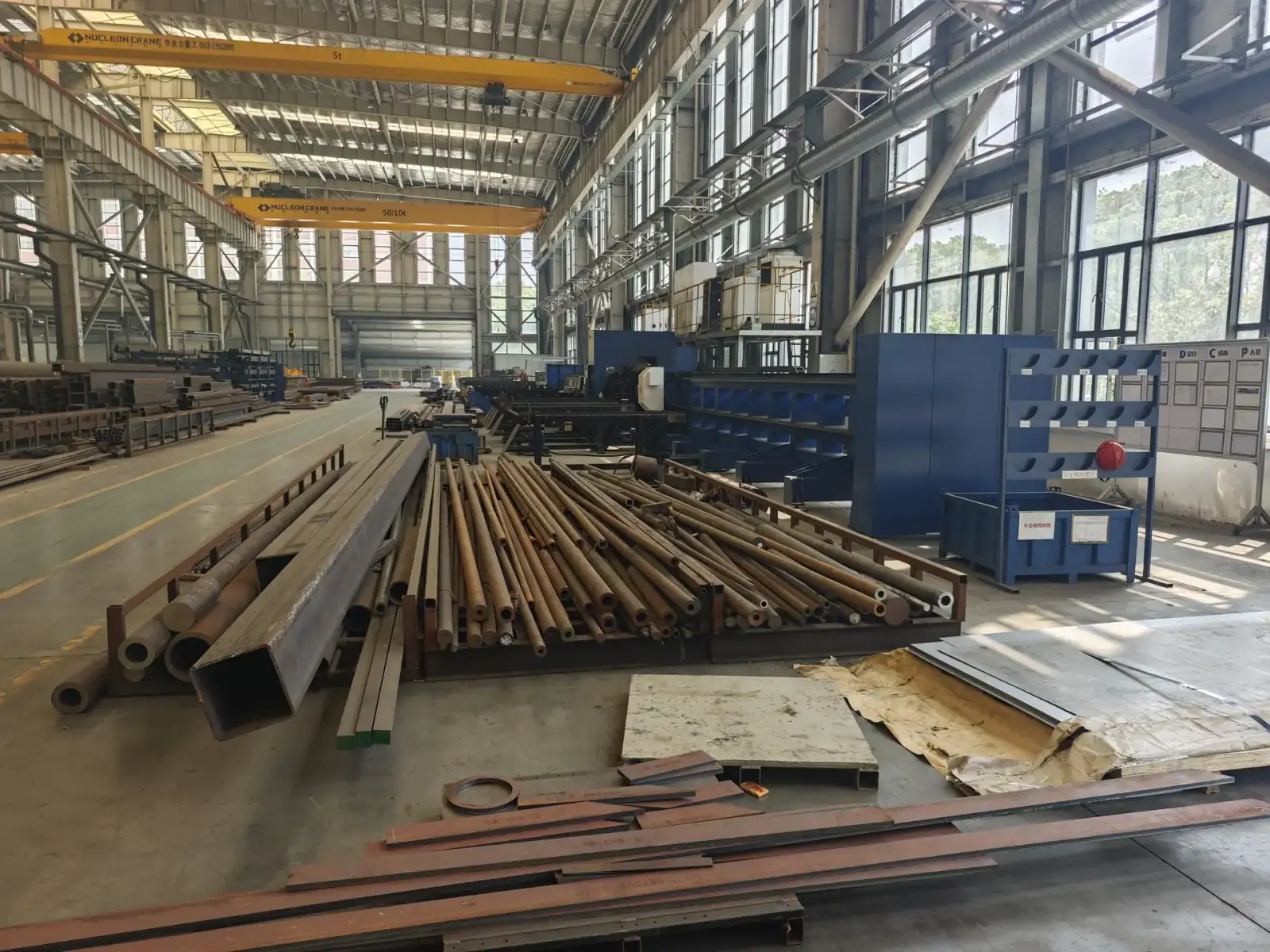
Structural assemblies up to 50 tonnes per unit and parts up to 6 metres long have been completed. We prepare lifting, transport and packing plans for oversized items, and split large structures into shippable sections with bolted field joints where needed.
Which welding standards and execution classes do you work to?
We work to ISO 3834-2 for welding quality and EN 1090 EXC3/EXC3 for structural steel execution. Welding procedure specifications (WPS), welder qualifications (WPQR) and procedure approval records are available on request.
What materials do you fabricate with?
Common grades include Q235, Q355, S235, S355, S690 high-strength steel, stainless 304/316, and Hardox wear plate. Material certificates with heat-number traceability are provided when required by the order.
How do you control distortion and dimensional accuracy on large structures?
We plan welding sequence, use pre-setting and fixturing, and apply stress relief where the drawing or service condition requires it. Datum control and laser-tracker measurement keep large weldments within tolerance for overseas assembly.
What surface treatments and coatings do you provide?
Hot-dip galvanizing (ASTM A123), powder coating, epoxy and zinc-rich primer systems, and sandblasting to Sa 2.5. The coating system is selected to the corrosivity category (up to C5-M) stated in the specification.
Can you provide NDT and welding inspection reports?
Yes. UT, MT, PT and RT testing is arranged according to weld class and project specification, performed by qualified personnel. NDT reports are issued with the shipment documents alongside dimensional and coating records.
How do you reduce overseas assembly problems?
We focus on drawing review, welding sequence, datum control, trial assembly for complex structures, match-marking, and complete handover records. Trial fit-up before shipment catches interface issues before they reach site.
How do you pack heavy fabrications for ocean freight?
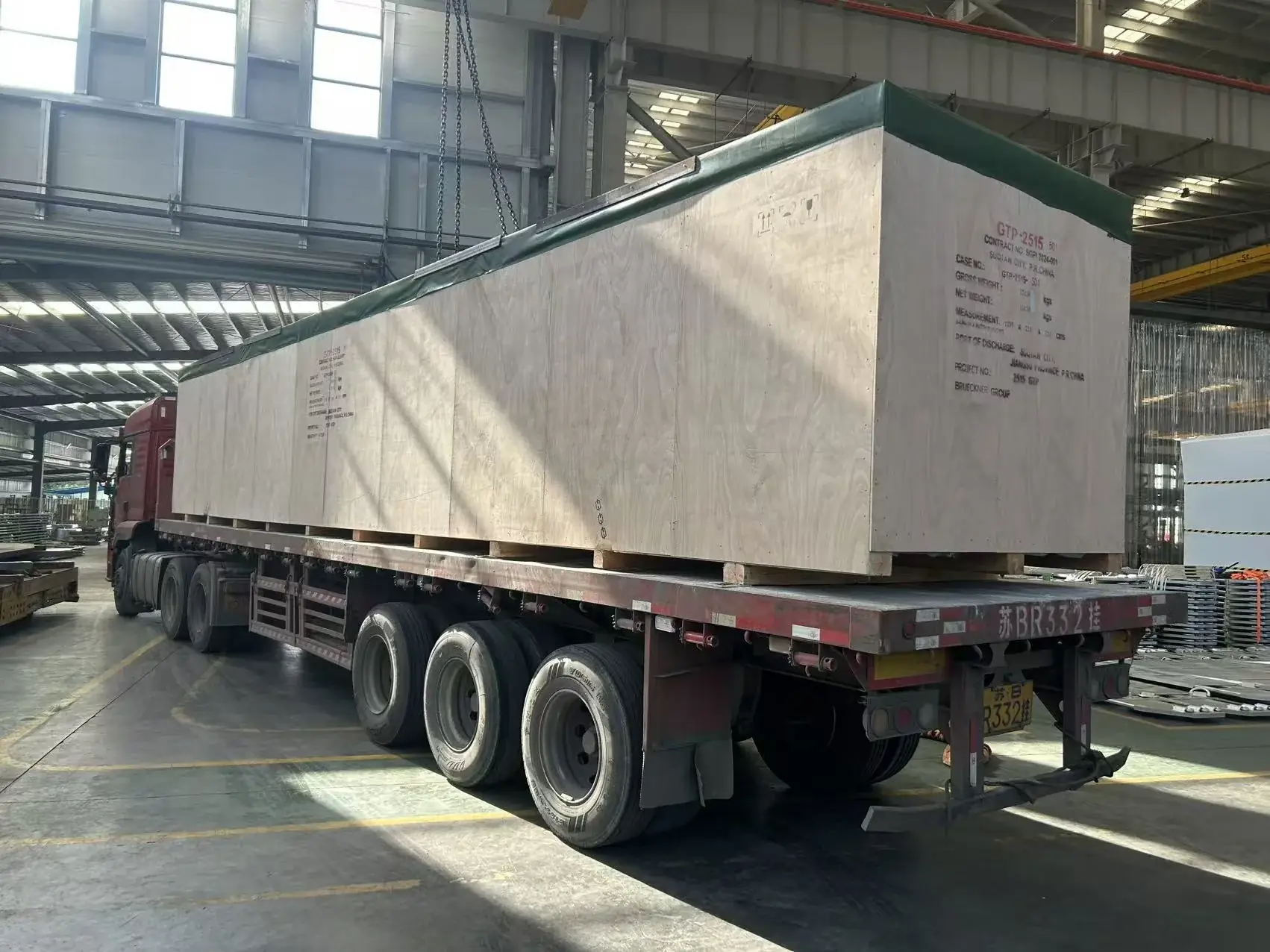
Items are braced and secured on steel skids or in crates with rust prevention and lifting protection. We prepare packing lists, container or break-bulk loading plans, and loading photos, planned around weight, destination and transport method.
What is your typical lead time for heavy fabrication projects?
Simple fabrications ship in 2–3 weeks; complex structural assemblies typically need 4–8 weeks depending on size, surface treatment and inspection scope. Lead time is confirmed at quotation and tracked through production milestones.
Ready to Get Started?
Send your drawings or specifications and receive a detailed quotation within 24 hours.