Product Overview
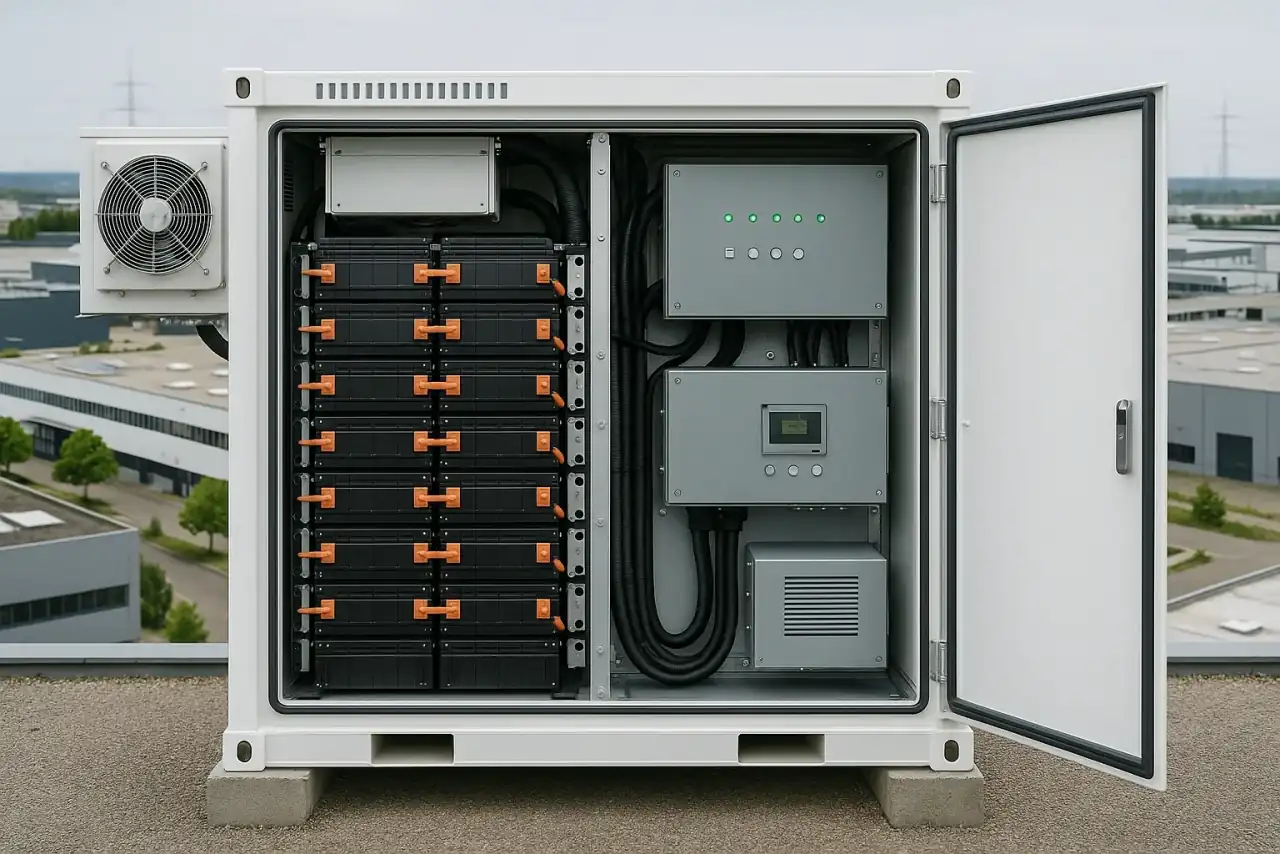
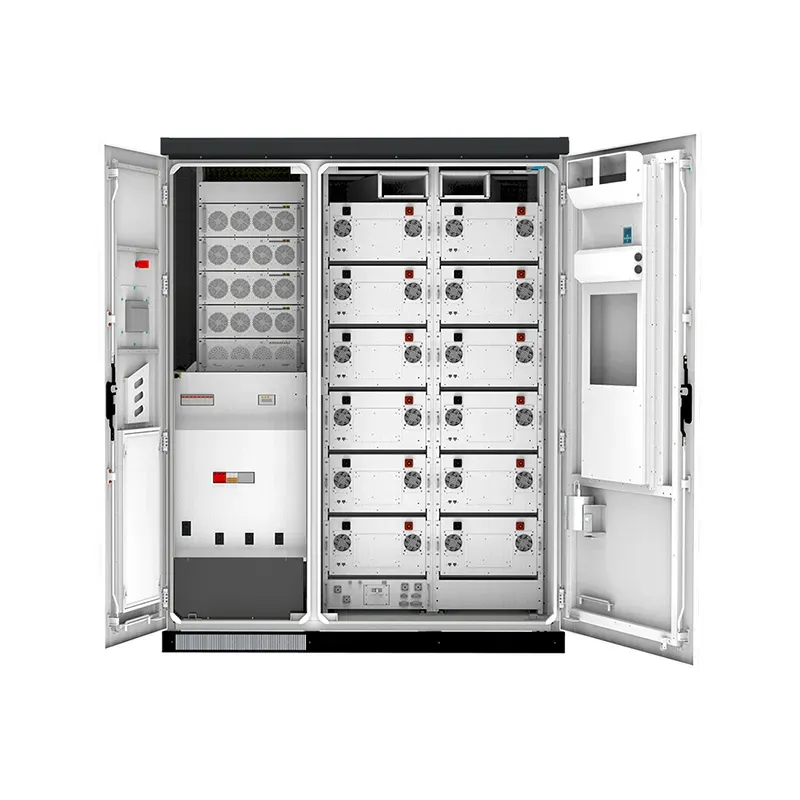
The ESS Battery Rack Cabinet from Leading Top Union is engineered for high-density energy storage integration in utility-scale and commercial applications. Each cabinet is fabricated from cold-rolled steel sheet (SPCC/SECC) with a minimum thickness of 1.5 mm for the frame and 1.2 mm for side panels, ensuring structural rigidity under continuous load. The standard 600×800×2000 mm footprint accommodates 42U or 48U of 19-inch rack space, allowing seamless integration of third-party battery modules, inverters, and BMS controllers. All welding is performed per AWS D1.1 structural welding code, with fillet weld leg sizes verified to 3 mm minimum using calibrated ultrasonic testing (UT) per ASTM E164.
Thermal Management and BMS Integration
Thermal management is a critical design parameter for lithium-ion battery systems operating at 400V or 800V DC. The cabinet incorporates front-to-rear airflow channels with a minimum cross-sectional area of 45,000 mm², supporting natural convection cooling for continuous discharge rates up to 0.5C. For high-rate applications, optional forced-air fans deliver 200 CFM at 50 dBA, maintaining cell temperature within 15°C to 35°C as recommended by IEC 62619. The integrated BMS provides cell-level voltage monitoring with ±0.5% accuracy and state-of-charge (SOC) estimation using coulomb counting corrected by Kalman filtering, achieving ±2% SOC error over 100 cycles.
Structural Validation and Surface Protection
Structural performance has been validated through finite element analysis (FEA) per EN 1993-1-1 for static loads and EN 1998-1 for seismic conditions. The standard cabinet withstands a uniform distributed load of 1,500 kg without permanent deformation, while the seismic-rated option (Zone 4 per ASCE 7-16) adds base plate anchors and diagonal bracing to resist 0.5g horizontal acceleration. All cabinets undergo 100% dimensional inspection using CMM (coordinate measuring machine) with ±0.1 mm tolerance on mounting hole positions per ISO 2768-m. Surface treatment includes a seven-stage pre-treatment with zinc phosphate conversion coating, followed by electrostatic powder coating to 80-120 µm thickness, passing 500-hour salt spray testing per ASTM B117.
Electrical Safety and Cable Management
Electrical safety is ensured through compliance with IEC 61439-1 for low-voltage switchgear and controlgear assemblies. The cabinet includes a dedicated grounding bus bar of 10×30 mm copper with tin-plated surface, rated for 100 kA prospective short-circuit current for 1 second. Bus bars are insulated with polyamide sleeves rated for 1,000V DC and 125°C continuous operation. Cable entry is through IP54-rated gland plates at the top or bottom, accommodating cable diameters from 10 mm to 50 mm. The front-access design reduces footprint by 30% compared to rear-access cabinets, enabling row-to-row spacing of just 1.2 meters for maintenance walkways per NFPA 70E arc flash safety guidelines.
Applications & Industries
Oil and Gas Sector Deployments
In the oil and gas sector, ESS Battery Rack Cabinets provide black-start capability and frequency regulation for remote drilling platforms and pipeline compressor stations. A typical installation at a Middle Eastern gas processing facility uses 12 cabinets configured at 800V DC, delivering 1.2 MWh of storage to support 2 MW of variable frequency drives during grid disturbances. The cabinets are installed in IP54 semi-outdoor enclosures with integrated HVAC units maintaining 25°C ±5°C ambient temperature, critical for lithium iron phosphate (LFP) cells operating at 0.5C charge/discharge rates. All cabinets meet IEC 60079-0 for explosive atmospheres when paired with Zone 2-rated external junction boxes.
Offshore Wind and Marine Environments
Offshore wind farms require energy storage cabinets that withstand marine environments with 95% relative humidity and salt-laden air. For a 500 MW North Sea wind project, Leading Top Union supplied 48 cabinets with C5-M corrosion protection per ISO 12944-9, including hot-dip galvanized frames (85 µm minimum coating) and stainless steel 316L hardware. Each cabinet houses 200 kWh of LFP cells arranged in 48U racks, supporting 15-minute power smoothing for 6 MW turbines. The seismic-rated option is essential for floating offshore platforms, where the cabinet must withstand 0.3g horizontal acceleration from wave-induced motion while maintaining BMS communication via Modbus TCP/IP over redundant fiber optic links.
Mining and High-Altitude Operations
Mining operations in Chile and Australia deploy these cabinets for peak shaving and diesel generator optimization at open-pit mines. A copper mine in the Atacama Desert uses 24 cabinets at 400V DC to store 1.8 MWh from solar PV arrays, reducing diesel consumption by 1.2 million liters annually. The cabinets operate at altitudes up to 4,500 meters, requiring derating of cooling systems per IEC 60068-2-13 for low air density. The front-access design allows maintenance within 30 minutes per cabinet using standard tools, critical for remote sites where technician availability is limited. All cabinets include vibration dampers per MIL-STD-810G for haul truck-induced ground vibrations up to 5 Hz.
Power Generation and Petrochemical Applications
Power generation facilities use these cabinets for frequency regulation and spinning reserve replacement. A 400 MW combined-cycle gas turbine plant in Texas integrated 36 cabinets at 800V DC to provide 3 MW of primary frequency response within 200 milliseconds, meeting ERCOT requirements. The cabinets are installed in a climate-controlled room with fire suppression per NFPA 855, using aerosol-based systems that require no water runoff. The BMS communicates with the plant DCS via IEC 61850 protocol, providing real-time SOC and state-of-health (SOH) data for each of the 13,824 cells across the installation. Cabinet life expectancy exceeds 15 years at 25°C with 80% capacity retention per manufacturer testing.
Petrochemical refineries deploy these cabinets for uninterruptible power supply (UPS) backup of critical control systems. A refinery in Singapore uses 18 cabinets at 48V DC to power 200 kW of distributed control system (DCS) loads for 30 minutes during grid faults, per ISA-84.01 safety instrumented system requirements. The cabinets are installed in Class I, Division 2 hazardous areas, requiring intrinsic safety barriers on all BMS communication lines per UL 913. The hot-swappable battery modules allow replacement without powering down the load, achieving 99.999% availability for the refinery's process control network. Each cabinet includes a 7-inch HMI touchscreen displaying cell-level voltage, temperature, and SOC trends over 24 hours.
Why Choose Leading Top Union for ESS Battery Rack Cabinet
Welding Certification and Quality Assurance
Leading Top Union holds ISO 3834-2 certification for fusion welding of metallic materials, ensuring all structural welds meet the highest quality level for load-bearing components. Welding procedures are qualified per EN ISO 15614-1, covering steel thicknesses from 1.5 mm to 12 mm in all positions. Each welder is certified to EN 287-1 with annual recertification, and a 100% visual inspection rate per ISO 5817 with acceptance level B is maintained. For critical seismic-rated cabinets, additional 10% radiographic testing (RT) per ASTM E94 on load-bearing welds is performed, with records retained for 10 years. This traceability is essential for EPC firms requiring full documentation for project handover.
EN 1090-2 EXC3 and Material Traceability
EN 1090-2 EXC3 certification for steel structures guarantees execution class 3 performance, the highest for standard building applications. This certification requires third-party inspection of the quality management system by a notified body (e.g., TÜV SÜD) every 12 months, covering material traceability, welding coordination, and final assembly verification. For ESS cabinets, each component is traceable to its mill test certificate per EN 10204 3.1, with mechanical properties verified for yield strength (minimum 235 MPa for S235JR steel) and elongation (minimum 24%). The certification also mandates documented procedures for non-conforming product control, with corrective actions implemented within 48 hours of detection.
Documentation and Factory Acceptance Testing
Comprehensive documentation packages are provided for global EPC projects, including IFC drawings in DWG and PDF formats, BOM with manufacturer part numbers, and FAT (Factory Acceptance Test) reports per ISO 9001:2015. The FAT protocol for ESS cabinets includes dielectric testing at 2,500V DC for 60 seconds per IEC 61439-1, insulation resistance measurement above 1 MΩ at 500V DC, and functional testing of all BMS communication channels. For seismic-rated cabinets, resonance frequency sweep testing from 1 Hz to 50 Hz per IEEE 693 is performed, verifying natural frequencies above 33 Hz to avoid resonance with building structures. All test data is recorded with timestamps and operator signatures, archived for 15 years.
Manufacturing Capabilities and Lead Times
The Suzhou manufacturing facility operates three automated sheet metal fabrication lines with 6 kW fiber laser cutting (accuracy ±0.05 mm) and 160-ton CNC press brakes (bend angle tolerance ±0.5°). A 5,000 m² dedicated ESS cabinet assembly area is maintained with ESD-safe workstations and torque-controlled assembly tools calibrated every 6 months per ISO 10012. The quality laboratory is equipped with a 3D CMM (accuracy ±2.5 µm), tensile testing machine (100 kN capacity), and salt spray chamber (1,000-hour capability). Lead times of 4-6 weeks are offered for standard 42U cabinets and 8-10 weeks for custom seismic-rated designs, with air freight options available for urgent projects requiring delivery within 2 weeks.